
Healthy relationships are built on trust, respect, communication, and mutual understanding. Two of the most important elements that support these qualities are consent and personal boundaries.
Consent and boundaries are not only relevant to intimate relationships—they also play an important role in friendships, families, workplaces, and everyday interactions. Learning to communicate openly about them helps create relationships where everyone feels safe, respected, and valued.
Understanding these concepts empowers individuals and couples to build stronger, healthier, and more fulfilling relationships.
What Is Consent?
Consent is a clear, voluntary, and informed agreement between people.
In healthy intimate relationships, consent should always be:
- Freely given
- Mutual
- Informed
- Specific
- Ongoing
Consent is an active process of communication rather than a one-time event.
Consent Can Be Withdrawn
One of the most important principles of consent is that it can be withdrawn at any time.
Everyone has the right to:
- Change their mind
- Pause
- Say no
- Ask questions
- Express discomfort
Healthy partners respect these decisions without pressure, guilt, or criticism.
What Are Personal Boundaries?
Personal boundaries are the physical, emotional, and psychological limits that help people feel safe and comfortable.
Boundaries may include:
- Physical space
- Emotional comfort
- Privacy
- Personal values
- Communication preferences
- Time alone
- Financial decisions
- Family involvement
Each person’s boundaries are unique and deserve respect.
Why Boundaries Matter
Healthy boundaries help people:
- Feel respected
- Build self-confidence
- Reduce misunderstandings
- Prevent resentment
- Improve communication
- Strengthen trust
Respecting boundaries creates a healthier and more supportive relationship.
Talking About Boundaries
Discussing boundaries may feel uncomfortable at first, but honest conversations often strengthen relationships.
Helpful topics include:
- Personal comfort levels
- Emotional needs
- Privacy expectations
- Time together and time apart
- Future goals
- Relationship expectations
Choose a calm, private setting where both partners feel comfortable speaking openly.
Respecting Different Comfort Levels
No two people have exactly the same experiences or preferences.
Healthy relationships recognize that partners may have different:
- Communication styles
- Cultural backgrounds
- Personal values
- Emotional needs
- Levels of affection
Differences should be approached with empathy and curiosity rather than judgment.
Signs of Healthy Respect
Respect is demonstrated through everyday actions.
Examples include:
- Listening without interrupting
- Accepting “no” gracefully
- Asking instead of assuming
- Encouraging honest conversations
- Supporting personal growth
- Respecting privacy
- Keeping promises
These habits strengthen trust over time.
Common Misunderstandings About Consent
Several myths can create confusion.
“Consent only needs to be given once.”
False.
Consent should remain ongoing throughout any intimate interaction.
“Silence means consent.”
False.
Consent should be communicated clearly and voluntarily. Silence or uncertainty should never be interpreted as agreement.
“Long-term partners don’t need to discuss consent.”
False.
Healthy communication and mutual agreement remain important in every relationship, regardless of its length.
Digital Boundaries
Technology has created new opportunities and new responsibilities.
Healthy digital boundaries may include:
- Respecting privacy
- Asking before sharing photos
- Not accessing personal devices without permission
- Respecting social media preferences
- Discussing online communication expectations
Trust extends to both offline and online interactions.
Consent and Intimate Wellness Products
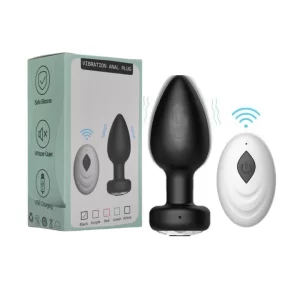
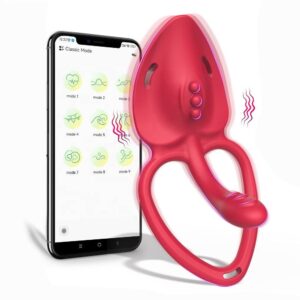
If partners are considering using intimate wellness products, mutual agreement is essential.
Discuss:
- Interest in trying a product
- Comfort levels
- Expectations
- Product safety
- Cleaning and storage
- Any concerns or questions
No one should ever feel pressured to use a product they are uncomfortable with.
Teaching Respect Through Everyday Relationships
Understanding consent and boundaries benefits all areas of life.
These principles encourage people to:
- Respect differences
- Listen actively
- Communicate honestly
- Resolve disagreements peacefully
- Build healthier communities
Learning these skills strengthens relationships far beyond intimacy.
When Professional Support May Help
If relationship challenges involve repeated boundary violations, communication difficulties, or ongoing conflict, speaking with a qualified healthcare professional or relationship counselor may be beneficial.
Professional guidance can help couples develop healthier communication and strengthen mutual respect.
Frequently Asked Questions
Why is consent important?
Consent helps ensure that all people involved freely agree to what is happening and feel respected throughout the interaction.
Can boundaries change over time?
Yes. Personal boundaries may change as people grow, experience life events, or move through different stages of a relationship.
How do I talk about boundaries without causing conflict?
Choose a calm time, speak honestly and respectfully, listen carefully to your partner’s perspective, and focus on understanding rather than blame.
What should I do if I’m unsure about someone’s boundaries?
Ask respectfully. Open communication is the best way to understand and respect another person’s comfort level.
Final Thoughts
Consent and personal boundaries are essential building blocks of healthy relationships. They create an environment where trust, respect, communication, and emotional safety can flourish.
By listening carefully, communicating openly, respecting each other’s choices, and recognizing that boundaries may evolve over time, individuals and couples can build stronger and more fulfilling relationships.
At DaOtherRoom, we believe that lifelong sexual wellness begins with education, mutual respect, and informed choices. Through trusted resources and carefully selected body-safe intimate wellness products, we are committed to helping individuals and couples build healthier, safer, and more confident intimate relationships.




Leave a Reply