
Comfort is an important part of a healthy intimate relationship. While occasional discomfort can happen for many reasons, persistent or recurring pain should never be ignored.
Discomfort during intimacy may result from physical health conditions, emotional factors, hormonal changes, medications, or lifestyle habits. Understanding these possibilities can help individuals seek appropriate care, improve communication with their partners, and make informed decisions about their sexual wellness.
Remember that every person’s body is different. What is normal for one person may not be normal for another, and professional medical advice is always recommended if symptoms persist.
Is Discomfort Common?
Many people experience temporary discomfort at some point in their lives.
Temporary discomfort may occur because of:
- Stress
- Anxiety
- Fatigue
- Hormonal changes
- Insufficient lubrication
- Recovery after childbirth
- Certain medical treatments
However, pain that continues, becomes severe, or interferes with your quality of life should be evaluated by a healthcare professional.
Physical Causes
Several physical factors may contribute to discomfort.
These include:
- Vaginal dryness
- Hormonal changes
- Infections
- Skin irritation
- Pelvic floor muscle tension
- Certain chronic medical conditions
- Recovery after surgery
- Healing after childbirth
Proper diagnosis is important because treatment depends on the underlying cause.
Hormonal Changes
Hormones influence many aspects of intimate health.
Changes may occur during:
- Menstrual cycles
- Pregnancy
- Breastfeeding
- Perimenopause
- Menopause
- Certain medical treatments
Hormonal changes may affect natural lubrication, tissue sensitivity, and overall comfort.
Emotional Factors
Mental and emotional wellbeing can influence physical comfort.
Examples include:
- Stress
- Anxiety
- Depression
- Relationship conflict
- Fear
- Previous difficult experiences
Feeling emotionally safe and supported often contributes to a more comfortable intimate experience.
Lifestyle Factors
Daily habits can also affect sexual wellness.
Helpful habits include:
- Getting enough sleep
- Exercising regularly
- Eating a balanced diet
- Staying hydrated
- Managing stress
- Avoiding tobacco
- Limiting excessive alcohol
Looking after your overall health supports intimate wellbeing.
The Importance of Communication
Open conversations with your partner help create understanding.
Discuss:
- Comfort levels
- Concerns
- Boundaries
- Emotional needs
- Health changes
Good communication allows couples to work together instead of making assumptions.
Personal Lubricants
For some people, a body-safe personal lubricant may improve comfort by reducing friction.
When selecting a lubricant:
- Choose products intended for intimate use.
- Select body-safe ingredients.
- Check compatibility with condoms or intimate wellness products.
- Follow the manufacturer’s instructions.
If discomfort continues despite using lubricant, seek medical advice.
Pelvic Floor Health
The pelvic floor muscles play an important role in bladder control, bowel function, and sexual wellness.
When these muscles become too tight or too weak, discomfort may occur.
A healthcare professional or pelvic floor physiotherapist can assess muscle function and recommend appropriate treatment if necessary.
Medical Conditions That May Require Attention
Persistent discomfort can sometimes be associated with medical conditions such as:
- Endometriosis
- Pelvic inflammatory disease
- Vaginal infections
- Urinary tract infections
- Certain skin conditions
- Fibroids
- Prostate conditions
- Other gynecological or urological concerns
Only a qualified healthcare professional can determine the exact cause.
Intimate Wellness Products
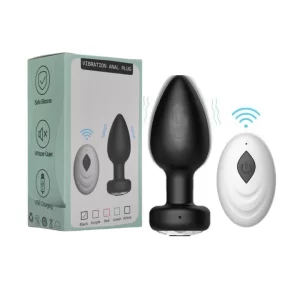
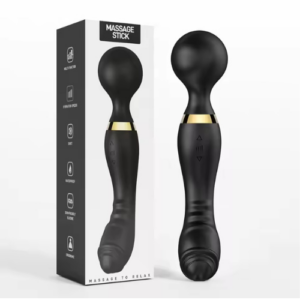
Body-safe intimate wellness products can support comfort when used appropriately.
To help ensure safety:
- Purchase from trusted retailers.
- Choose body-safe materials.
- Follow cleaning instructions.
- Store products properly.
- Replace damaged items.
Quality products and proper hygiene help reduce unnecessary irritation.
Supporting Your Partner
If your partner experiences discomfort:
- Listen without judgment.
- Be patient.
- Respect their boundaries.
- Avoid applying pressure.
- Encourage medical evaluation when appropriate.
Supportive relationships promote both emotional and physical wellbeing.
When Should You See a Healthcare Professional?
Seek medical advice if you experience:
- Persistent pain
- Severe discomfort
- Unusual bleeding
- Fever
- Unusual discharge
- Pelvic pain
- Symptoms that worsen over time
- Concerns affecting your daily life
Early diagnosis often leads to more effective treatment.
Frequently Asked Questions
Is occasional discomfort normal?
Temporary discomfort can occur for various reasons, such as stress or hormonal changes. Persistent or severe pain should always be medically evaluated.
Can stress contribute to discomfort?
Yes. Stress and anxiety may affect muscle tension, emotional wellbeing, and overall comfort during intimacy.
Can lubricants help?
For many people, body-safe personal lubricants help reduce friction and improve comfort. Choose products specifically designed for intimate use.
When should I seek medical advice?
If discomfort is ongoing, severe, or accompanied by other symptoms such as unusual bleeding, fever, or discharge, consult a qualified healthcare professional promptly.
Final Thoughts
Comfort is an essential part of healthy intimacy. While temporary discomfort may have simple explanations, persistent pain should never be ignored or accepted as normal.
By paying attention to your body’s signals, communicating openly with your partner, maintaining healthy lifestyle habits, and seeking professional care when necessary, you can support both your intimate health and your overall wellbeing.
At DaOtherRoom, we’re committed to helping individuals and couples make informed decisions through trusted education and carefully selected body-safe intimate wellness products. Our goal is to support confidence, comfort, and lifelong sexual wellness through every stage of life.



Leave a Reply