
Welcoming a new baby is one of life’s most rewarding experiences, but it also brings significant physical, emotional, and lifestyle changes. During the postpartum period, many new parents notice changes in their relationship, energy levels, and interest in intimacy.
Recovery takes time, and every person’s experience is unique. Understanding what to expect after childbirth can help reduce anxiety, improve communication, and support both physical healing and emotional wellbeing.
Understanding the Postpartum Period
The postpartum period begins immediately after childbirth and continues as the body gradually recovers.
During this time, the body undergoes many changes, including:
- Healing after delivery
- Hormonal adjustments
- Changes in sleep patterns
- Breastfeeding adaptations
- Emotional changes
- New parenting responsibilities
These adjustments can influence intimacy in different ways.
Physical Recovery Takes Time
Every birth experience is different.
Recovery may depend on factors such as:
- Vaginal delivery or cesarean birth
- Perineal tears or episiotomy
- Overall health
- Rest and nutrition
- Medical complications
- Individual healing rates
It is important not to compare your recovery with someone else’s.
When Is It Safe to Resume Sexual Activity?
There is no universal timeline.
Healthcare providers typically recommend waiting until healing has progressed and postpartum bleeding has reduced before resuming sexual activity. Many people receive individualized guidance during their postpartum check-up.
Always follow the advice of your doctor, midwife, or other healthcare professional, as recommendations vary depending on your recovery.
Common Physical Changes
Some people may experience:
- Vaginal dryness
- Fatigue
- Breast tenderness
- Pelvic floor weakness
- Changes in body image
- Temporary discomfort
These changes are often part of normal recovery, though persistent or severe symptoms should be discussed with a healthcare provider.
Emotional Changes After Childbirth
Parenthood brings joy, but it can also be emotionally demanding.
New parents may experience:
- Stress
- Anxiety
- Mood swings
- Reduced confidence
- Feeling overwhelmed
- Concerns about balancing parenting and relationships
Open communication and support are essential during this transition.
The Impact of Sleep Deprivation
Caring for a newborn often means interrupted sleep.
Poor sleep can affect:
- Mood
- Energy levels
- Patience
- Relationship satisfaction
- Sexual desire
Whenever possible, sharing responsibilities and resting when the baby sleeps may help support recovery.
Breastfeeding and Hormonal Changes
For parents who breastfeed, hormonal changes may affect:
- Natural lubrication
- Sexual desire
- Breast sensitivity
These changes are common and often improve over time. If symptoms become troublesome, discuss them with your healthcare provider.
Rebuilding Emotional Connection
Intimacy is about more than sexual activity.
During the postpartum period, couples can strengthen their relationship by:
- Spending quality time together
- Talking openly about emotions
- Expressing appreciation
- Sharing parenting responsibilities
- Offering encouragement
- Showing affection in non-sexual ways
Small acts of kindness can strengthen emotional closeness.
Pelvic Floor Recovery
The pelvic floor muscles often need time to recover after pregnancy and childbirth.
A healthcare professional or pelvic floor physiotherapist may recommend exercises or rehabilitation to improve strength and function.
Proper guidance is important to ensure exercises are performed correctly.
Lubricants and Comfort
Hormonal changes after childbirth may reduce natural lubrication for some people.
A body-safe personal lubricant may improve comfort if recommended by your healthcare provider and appropriate for your stage of recovery.
Always choose products intended for intimate use.
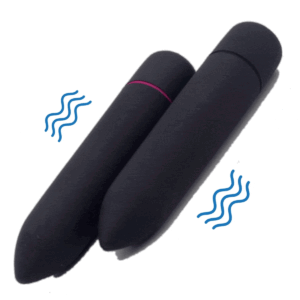
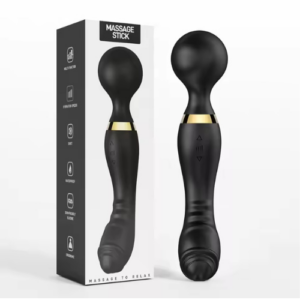
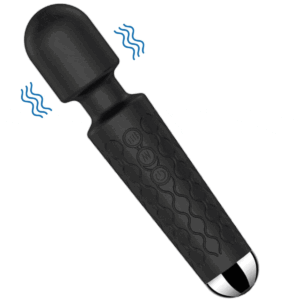
Intimate Wellness Products After Childbirth
Some people may be interested in using intimate wellness products after giving birth.
Before doing so:
- Allow adequate healing.
- Follow your healthcare provider’s advice.
- Start slowly if medically appropriate.
- Use only body-safe products.
- Stop if discomfort occurs.
If you have questions, consult your healthcare provider.
Supporting Your Partner
Partners play an important role in postpartum recovery.
Helpful ways to provide support include:
- Being patient
- Listening without judgment
- Helping with childcare
- Encouraging rest
- Respecting boundaries
- Celebrating progress together
Recovery is a shared journey.
When to Seek Medical Advice
Contact your healthcare provider if you experience:
- Persistent pain
- Heavy bleeding
- Fever
- Signs of infection
- Ongoing urinary or bowel problems
- Severe emotional distress
- Symptoms of postpartum depression
Prompt medical care can help address concerns early.
Frequently Asked Questions
Is it normal to have less interest in intimacy after childbirth?
Yes. Hormonal changes, fatigue, healing, and the demands of caring for a newborn can all influence sexual desire during the postpartum period.
Can vaginal dryness occur after childbirth?
Yes. This is common, especially for people who are breastfeeding, due to hormonal changes.
Should I wait for medical clearance before resuming sexual activity?
Yes. Your healthcare provider can assess your recovery and advise when it is safe to resume sexual activity based on your individual circumstances.
What if intimacy is still uncomfortable months later?
Persistent discomfort is not something you should ignore. Speak with a healthcare professional to identify the cause and discuss appropriate treatment options.
Final Thoughts
The postpartum period is a time of healing, adjustment, and growth. While changes in intimacy are common after childbirth, patience, communication, and mutual support can help couples navigate this important stage together.
Recovery is not a race, and every family follows its own path. By listening to your body, respecting your partner’s needs, and seeking medical advice when necessary, you can build a healthy foundation for both your relationship and your long-term wellbeing.
At DaOtherRoom, we believe sexual wellness is a lifelong journey. Through trusted education and carefully selected body-safe intimate wellness products, we’re here to support individuals and couples as they navigate every stage of life—from pregnancy and postpartum recovery to healthy, fulfilling relationships.



Leave a Reply