
Menopause is a natural stage of life that marks the end of the reproductive years. While every person’s experience is different, menopause often brings physical, emotional, and hormonal changes that can influence overall well-being, including sexual wellness.
Understanding these changes can help reduce anxiety, encourage open conversations, and empower individuals to make informed decisions about their health and relationships.
With the right information, support, and medical care when needed, many people continue to enjoy satisfying intimate relationships throughout and after menopause.
What Is Menopause?
Menopause is officially diagnosed after a person has gone 12 consecutive months without a menstrual period, provided there is no other medical explanation.
It usually occurs between the ages of 45 and 55, although the timing varies from person to person.
The years leading up to menopause, known as perimenopause, often involve hormonal fluctuations that may cause a variety of symptoms.
Common Symptoms of Menopause
Many people experience one or more of the following:
- Hot flashes
- Night sweats
- Irregular periods during perimenopause
- Mood changes
- Sleep disturbances
- Vaginal dryness
- Reduced natural lubrication
- Fatigue
- Changes in sexual desire
- Difficulty concentrating
Symptoms range from mild to severe and differ for every individual.
How Menopause Can Affect Intimacy
Hormonal changes can influence intimacy in several ways.
Some people notice:
- Reduced desire
- Increased vaginal dryness
- Greater sensitivity to friction
- Changes in arousal
- Reduced energy
- Emotional changes that affect relationships
These experiences are common and do not mean that intimacy must end.
Vaginal Health During Menopause
Reduced estrogen levels can lead to changes in vaginal tissues, including:
- Dryness
- Reduced elasticity
- Increased sensitivity
- Occasional discomfort
If symptoms become persistent or distressing, consult a healthcare professional. Effective treatment options are available for many individuals.
Emotional Wellbeing
Menopause affects more than physical health.
Some people experience:
- Anxiety
- Irritability
- Mood swings
- Reduced confidence
- Concerns about aging
- Body image changes
Maintaining emotional well-being is an important part of overall sexual wellness.
The Importance of Communication
Partners may notice changes in intimacy during menopause.
Open discussions about:
- Comfort
- Expectations
- Emotional needs
- Physical symptoms
- Lifestyle changes
can strengthen understanding and reduce unnecessary misunderstandings.
Supportive communication often helps couples adapt to these natural life changes together.
Lifestyle Habits That Support Sexual Wellness
Healthy daily habits can improve overall wellbeing.
These include:
- Regular physical activity
- A balanced diet
- Adequate sleep
- Stress management
- Staying hydrated
- Avoiding tobacco
- Limiting excessive alcohol
These habits benefit both general health and intimate wellbeing.
The Role of Personal Lubricants
Reduced natural lubrication is one of the most common menopause-related concerns.
Body-safe personal lubricants may improve comfort during intimacy.
Choose products designed specifically for intimate use and follow the manufacturer’s recommendations. If symptoms continue, discuss additional options with your healthcare provider.
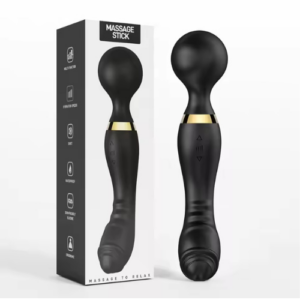
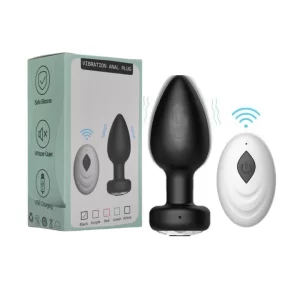
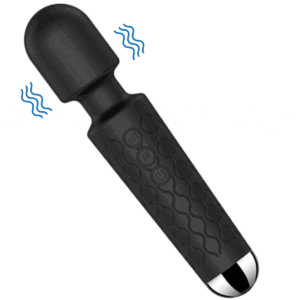
Intimate Wellness Products During Menopause
Many people continue to use intimate wellness products during and after menopause.
When choosing products:
- Select body-safe materials.
- Follow cleaning instructions carefully.
- Use compatible lubricants.
- Begin gently and prioritize comfort.
- Stop using any product that causes discomfort.
If you have concerns about vaginal health or ongoing pain, seek medical advice before using new products.
Medical Treatment Options
Healthcare professionals may recommend treatments based on your individual symptoms.
Possible options include:
- Vaginal moisturizers
- Personal lubricants
- Hormonal treatments
- Non-hormonal therapies
- Pelvic floor physiotherapy
- Lifestyle modifications
The most appropriate treatment depends on your medical history and overall health.
Supporting a Partner Through Menopause
Partners can provide valuable support by:
- Listening with empathy
- Being patient
- Respecting changing comfort levels
- Encouraging healthy habits
- Attending medical appointments if invited
- Maintaining emotional closeness
Menopause is easier to navigate when both partners work together.
When Should You See a Healthcare Professional?
Consult your healthcare provider if you experience:
- Persistent pain during intimacy
- Severe vaginal dryness
- Unexpected vaginal bleeding after menopause
- Symptoms that interfere with daily life
- Significant emotional distress
- Concerns about treatment options
Early assessment allows appropriate care and peace of mind.
Frequently Asked Questions
Is it normal for sexual desire to change during menopause?
Yes. Hormonal, physical, and emotional changes can all influence desire. Every person’s experience is unique.
Can menopause cause vaginal dryness?
Yes. Reduced estrogen levels commonly lead to decreased natural lubrication and changes in vaginal tissue.
Can intimacy remain enjoyable after menopause?
Absolutely. Many individuals continue to enjoy fulfilling intimate relationships through good communication, healthy lifestyle habits, and appropriate medical care when needed.
Should I seek medical advice if intimacy becomes painful?
Yes. Persistent discomfort should always be discussed with a qualified healthcare professional, as many causes are treatable.
Final Thoughts
Menopause is a natural stage of life, not the end of intimacy or sexual wellbeing. While hormonal changes can bring new challenges, education, communication, and appropriate care can help individuals continue to enjoy healthy, satisfying relationships.
Every menopause journey is different, and there is no single “right” experience. By listening to your body, maintaining healthy habits, and seeking professional advice when needed, you can navigate this stage with confidence.
At DaOtherRoom, we’re committed to supporting lifelong sexual wellness through trusted education and carefully selected body-safe intimate wellness products. Whether you’re approaching menopause, experiencing it now, or supporting a loved one through the transition, we’re here to help you make informed choices for every stage of life.


Leave a Reply