
Female sexual wellness is an important part of overall health and wellbeing. It includes physical health, emotional wellbeing, healthy relationships, body confidence, reproductive health, and informed healthcare decisions.
Throughout life, a woman’s body naturally changes due to puberty, menstruation, pregnancy, childbirth, perimenopause, menopause, and aging. Understanding these changes helps women care for their bodies with confidence and make informed decisions about their intimate health.
Sexual wellness is a lifelong journey, and every stage brings unique opportunities to learn, adapt, and thrive.
What Is Female Sexual Wellness?
Female sexual wellness extends beyond intimacy. It includes:
- Reproductive health
- Hormonal health
- Emotional wellbeing
- Healthy relationships
- Body confidence
- Sexual health
- Preventive healthcare
- Personal comfort and self-care
These aspects work together to support overall quality of life.
Puberty and Early Adulthood
Puberty marks the beginning of significant physical and hormonal changes.
Common changes include:
- Breast development
- Menstrual cycles
- Hormonal fluctuations
- Emotional development
- Changes in body shape
Learning about these changes helps build confidence and encourages healthy habits from an early age.
Menstrual Health
Menstrual cycles vary from person to person.
Many women experience temporary symptoms such as:
- Mild cramping
- Mood changes
- Breast tenderness
- Fatigue
- Bloating
However, severe pain, very heavy bleeding, or irregular cycles that cause concern should be discussed with a healthcare professional.
Tracking menstrual cycles can also help identify patterns and support conversations with healthcare providers.
Hormonal Changes Throughout Life
Hormones influence many aspects of health, including:
- Mood
- Energy
- Sleep
- Sexual desire
- Vaginal health
- Fertility
Hormonal changes naturally occur during:
- Puberty
- Menstrual cycles
- Pregnancy
- Breastfeeding
- Perimenopause
- Menopause
Every woman’s experience is unique.
Pregnancy and Childbirth
Pregnancy and childbirth bring remarkable physical and emotional changes.
Some women experience:
- Changes in sexual desire
- Fatigue
- Body image changes
- Increased emotional sensitivity
- Temporary physical discomfort
Recovery after childbirth also requires patience and time. Open communication with your partner and healthcare provider can help address questions or concerns.
Menopause and Healthy Aging
Menopause is a natural stage of life that often brings changes such as:
- Vaginal dryness
- Changes in sexual desire
- Sleep disturbances
- Mood changes
- Hot flashes
Many women continue to enjoy fulfilling intimate relationships during and after menopause with appropriate support, healthy habits, and medical care when needed.
Emotional Wellbeing
Emotional health plays a major role in sexual wellness.
Factors that may influence wellbeing include:
- Stress
- Anxiety
- Depression
- Relationship satisfaction
- Self-esteem
- Work-life balance
Looking after emotional health benefits every area of life, including intimate relationships.
Lifestyle Habits That Support Sexual Wellness
Healthy daily habits contribute to long-term wellbeing.
These include:
- Regular exercise
- A nutritious diet
- Quality sleep
- Staying hydrated
- Managing stress
- Avoiding tobacco
- Limiting excessive alcohol consumption
Consistent healthy habits support both physical and emotional health.
Preventive Healthcare
Routine medical care is essential for maintaining sexual and reproductive health.
Regular checkups may include:
- Cervical screening (where recommended)
- Breast health awareness
- Sexual health screening when appropriate
- Contraceptive counseling
- Menopause care
- General wellness assessments
Preventive care helps identify potential concerns early.
Communication in Relationships
Healthy relationships depend on open and respectful communication.
Talking honestly about:
- Expectations
- Boundaries
- Comfort
- Health concerns
- Emotional needs
helps build trust and strengthen intimacy.
No concern is too small to discuss with a supportive partner.
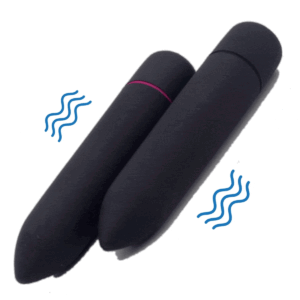
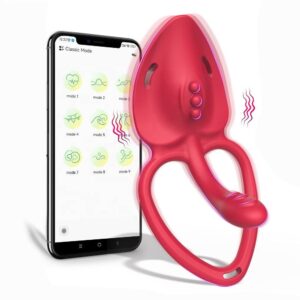
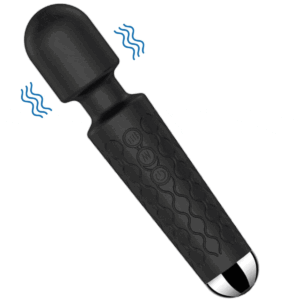
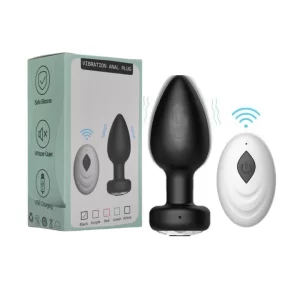
Intimate Wellness Products
Many women choose to include intimate wellness products as part of their self-care or relationship.
When selecting products:
- Choose body-safe materials.
- Follow cleaning instructions carefully.
- Use compatible personal lubricants where appropriate.
- Purchase from trusted retailers.
- Store products in a clean, dry location.
Quality products and proper care help support both safety and comfort.
Body Confidence
Every woman’s body is unique.
Building body confidence may involve:
- Practicing self-compassion
- Avoiding unrealistic comparisons
- Focusing on health rather than appearance
- Celebrating personal strengths
- Seeking support when needed
Confidence grows from appreciating what your body does, not just how it looks.
When Should You See a Healthcare Professional?
Consult a healthcare provider if you experience:
- Persistent pelvic pain
- Severe menstrual pain
- Unusual bleeding
- Ongoing discomfort during intimacy
- Unusual vaginal symptoms
- Concerns about sexual health
- Symptoms affecting your quality of life
Early medical advice often leads to better outcomes.
Frequently Asked Questions
Is it normal for sexual desire to change over time?
Yes. Hormones, stress, relationships, pregnancy, menopause, health conditions, and life events can all influence sexual desire.
How often should women have routine health checkups?
The recommended schedule depends on age, medical history, and national screening guidelines. Your healthcare provider can recommend the most appropriate plan.
Can exercise improve sexual wellness?
Yes. Regular physical activity supports cardiovascular health, mood, flexibility, energy, and overall wellbeing, all of which contribute to sexual wellness.
Are intimate wellness products safe?
Products made from body-safe materials and used according to the manufacturer’s instructions are generally the safest choice. Purchase from trusted retailers and follow recommended cleaning and storage practices.
Final Thoughts
Female sexual wellness is about much more than physical intimacy. It encompasses overall health, emotional wellbeing, self-confidence, healthy relationships, and informed healthcare throughout every stage of life.
By prioritizing preventive care, maintaining healthy lifestyle habits, communicating openly, and seeking medical advice when needed, women can support lifelong sexual wellness and overall quality of life.
At DaOtherRoom, we believe education empowers confidence. Through trusted information and carefully selected body-safe intimate wellness products, we’re committed to helping women make informed choices that support comfort, health, and wellbeing from early adulthood through healthy aging.


Leave a Reply